
Understanding Common Causes of Tire Blowouts and Flats on Alligator Alley
- Wonie Cotton
- 2 days ago
- 3 min read

Driving on Alligator Alley, the stretch of highway crossing the Everglades in Florida, can be a unique experience. However, it also presents specific challenges for motorists, especially when it comes to tire safety. Tire blowouts and flats are common issues that can turn a routine drive into a stressful and dangerous situation. Understanding the main reasons behind these problems can help drivers prepare better and avoid unexpected breakdowns.

Harsh Road Conditions and Debris
Alligator Alley is known for its long stretches of road surrounded by wetlands and wildlife habitats. This environment contributes to several road hazards:
Sharp debris such as broken glass, metal scraps, or sharp rocks often end up on the road. These objects can puncture tires, causing flats or slow leaks.
Uneven road surfaces and potholes are common in some sections. Hitting a pothole at high speed can cause a tire to blow out by damaging the tire’s sidewall or causing a sudden loss of air pressure.
Wildlife encounters sometimes lead to sudden braking or swerving, increasing the risk of tire damage from curbs or roadside obstacles.
Drivers should stay alert and avoid debris when possible. Regularly scanning the road ahead can help spot hazards early.
High Temperatures and Tire Pressure
Florida’s climate, especially in the Everglades region, is hot and humid. These conditions affect tire performance in several ways:
Heat causes tire pressure to rise. Overinflated tires are more prone to blowouts because the increased pressure stresses the tire structure.
Underinflated tires heat up faster. Low pressure causes more friction between the tire and the road, which can lead to overheating and eventual failure.
Temperature fluctuations between day and night can cause pressure changes that go unnoticed if tires are not checked regularly.
Maintaining the correct tire pressure is crucial. Use a reliable gauge to check tire pressure before long trips, especially during hot weather.
Tire Age and Wear
Tires naturally degrade over time, even if they are not used frequently. On Alligator Alley, where long distances between service stations exist, tire condition is critical:
Old tires lose elasticity. Rubber hardens and cracks, making tires more susceptible to blowouts.
Worn tread reduces grip. This increases the risk of punctures and flats, especially on wet or uneven surfaces.
Uneven wear caused by misalignment or improper rotation weakens specific tire areas.
Drivers should inspect tires for cracks, bulges, and tread depth regularly. Replacing tires every six years or sooner if damaged is a good practice.
Overloading and Improper Use
Many vehicles on Alligator Alley carry heavy loads, from recreational gear to commercial cargo. Overloading tires beyond their rated capacity can cause serious problems:
Excess weight increases tire stress. This can lead to overheating and blowouts.
Improper tire type or size for the vehicle or load can reduce tire durability.
Ignoring manufacturer recommendations for tire pressure and load limits increases risk.
Always check the vehicle’s manual for tire specifications and avoid exceeding load limits.
Lack of Regular Maintenance
Routine tire maintenance is often overlooked but essential for safe driving:
Failing to rotate tires leads to uneven wear and weak spots.
Ignoring slow leaks can cause tires to run underinflated, increasing blowout risk.
Not inspecting tires before long trips leaves drivers vulnerable to unexpected flats.
Scheduling regular tire checks and maintenance can prevent many common tire problems.
Wildlife and Environmental Factors
Alligator Alley runs through a natural habitat with abundant wildlife. Animals crossing the road or resting near the shoulder can indirectly cause tire damage:
Sudden stops or swerves to avoid animals may lead to hitting curbs or debris.
Animals dragging sticks or branches onto the road can create puncture hazards.
Vegetation encroaching on the road may hide sharp objects.
Drivers should reduce speed in wildlife zones and stay vigilant, especially at dawn and dusk.
What to Do If You Experience a Blowout or Flat
Knowing how to respond can make a big difference in safety:
Stay calm and hold the steering wheel firmly. Avoid sudden braking or sharp turns.
Gradually slow down and pull over to a safe spot. Use hazard lights to alert other drivers.
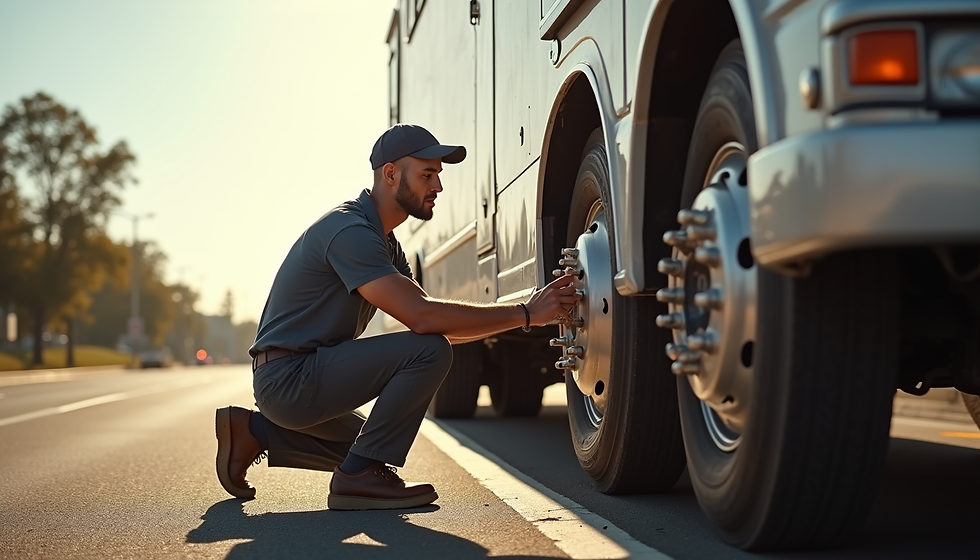
Inspect the tire and assess the damage. If you have a spare and tools, change the tire carefully.
Call roadside assistance if needed. On remote stretches like Alligator Alley, professional help may be necessary.
Carrying an emergency kit with a jack, spare tire, and tire inflator is highly recommended.

Comments